
Multi level Residential Projects
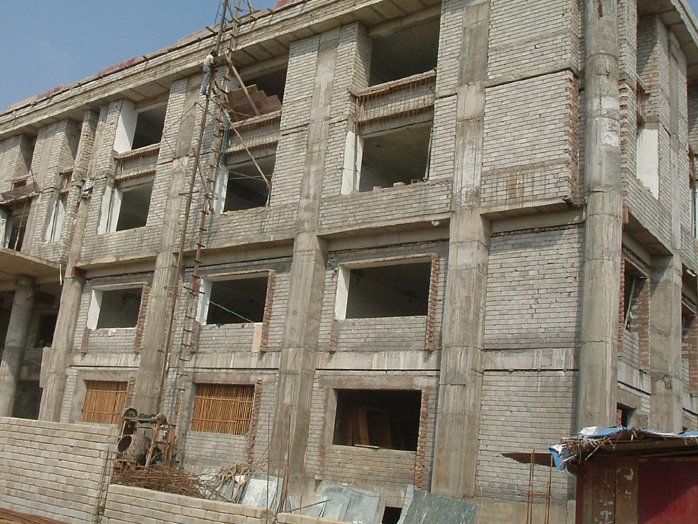
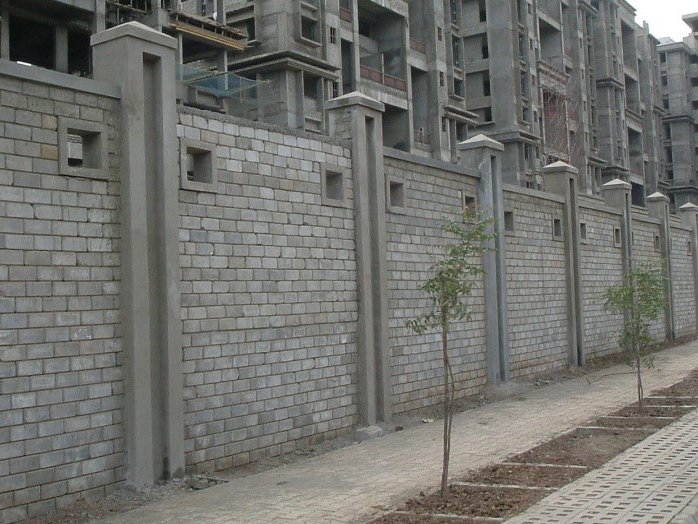
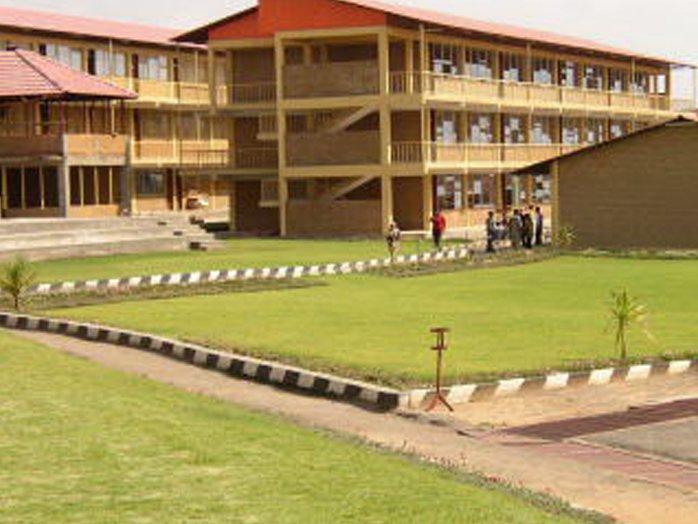
High-Rise Residential Projects Using Sustainable Building Technology
Multi-level mid and high-rise residential developments faced repeated challenges with conventional brick supply, including price fluctuations, quality concerns, supply disruptions, and regulatory restrictions related to environmental impacts. Developers began exploring alternative building solutions, and Hydraform interlocking fly ash blocks emerged as an effective and sustainable option.
Hydraform machines were installed directly at project sites, enabling developers to produce quality blocks while training local contractors in block manufacturing and construction techniques. Specially designed lightweight fly ash blocks were developed for high-rise applications, meeting structural requirements while reducing load on the building framework.
The interlocking blocks offered flexibility in construction and could be used alongside conventional bricks where required, while maintaining project design specifications.
Key Benefits
- Faster and cost-effective interlocking masonry construction
- Lightweight blocks suitable for multi-level buildings
- Reduced dependence on conventional brick supply chains
- On-site production ensuring consistent quality
- Improved sustainability through the use of fly ash-based materials
Multi-Level mid and high rise residential housing projects designed on framed structure and bricks faced disruption, high prices and poor quality in conventional bricks supply chain – time and again due to strikes and bans by courts to promote environmental considerations. Developer companies explored options and Hydraform fitted well into such situation. Interlocking Fly Ash based blocks made from Hydraform block machines set up on site was an ideal solution.
Project Developers set up Hydraform machines on site and contractors were trained to make good quality blocks. Hydraform helped design high quality light weight fly ash blocks made on same machines for effective use in high rise due to load considerations. Blocks provided flexibility as they could be used as mix with bricks in walls and requirement to do plaster in compliance with original Project design specifications.
Advantages to project:
- Interlocking masonry was faster and cost effective
- Lighter density than regular bricks